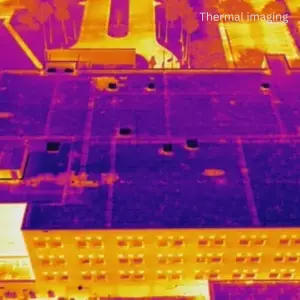
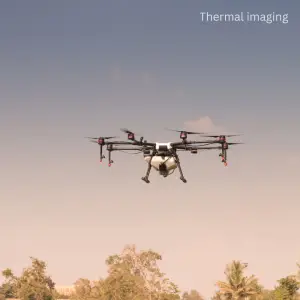
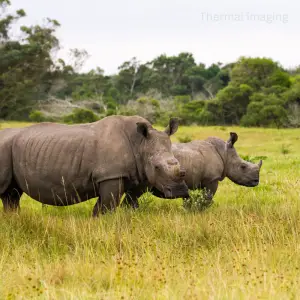
MDLG delivers non-invasive thermal drone monitoring to support wildlife protection, conservation management, and anti-pouching operations across reserves conservancies, and game farms.
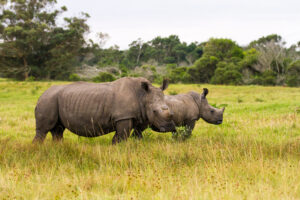
Using thermal imaging, we detect wildlife presence, movement, and distribution, and where conditions allow, we conduct observational wildlife counting to support planning, valuation, and conservation decision-making.
What we monitor and count
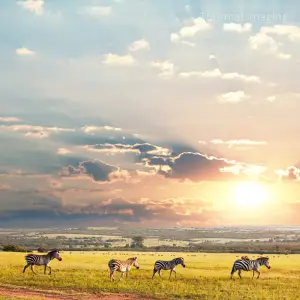
- Wildlife presence across defined survey areas
- Observed animal numbers and groupings
- Night-time wildlife activity
- Heat signatures indicative of unauthorised human presence
- Isolated or distressed animals
Wildlife counting – how it is used
Wildlife counting is conducted as presence estimation and trend monitoring, not certified population studies. Counts are based on thermal detection, supported by geo-referenced imagery and confidence ratings.
This approach is widely used to:
- Establish baseline wildlife presence
- Track seasonal or annual trends
- Support reserve management and planning
- Assist with wildlife valuation and insurance discussions
- Improve patrol effectiveness
Why it matters?
Conservation areas face increasing challenges including:
- Limited manpower
- Large and remote terrain
- Night-time and low-visibility conditions
Thermal drone monitoring provides situational awareness from above, enabling conservation teams to focus resources where they are most needed – without disturbing wildlife.
What you receive?
- Thermal and visual imagery
- Geo-referenced wildlife locations
- Observed count tables (where applicable)
- Confidence ratings (High/Medium/Low)
- Area coverage summary
- Clear observational findings for operational use
Reports are professional, defensible, and suitable for management, insurance, and conervaiton planning.
Who this service is for
- Wildlife conservancies
- Game reserves and protected areas
- Anti-pouching units
- Environmental NGOs
- Private landowners managing wildlife
This service provides non-invasive, observational aerial monitoring to support wildlife protection and conservation. Wildlife counts are estimates based on thermal detection and are intended for presence estimation and trend analysis only. this service does not constitute certified population studies, ecological assessments, or law-enfomcement authority.